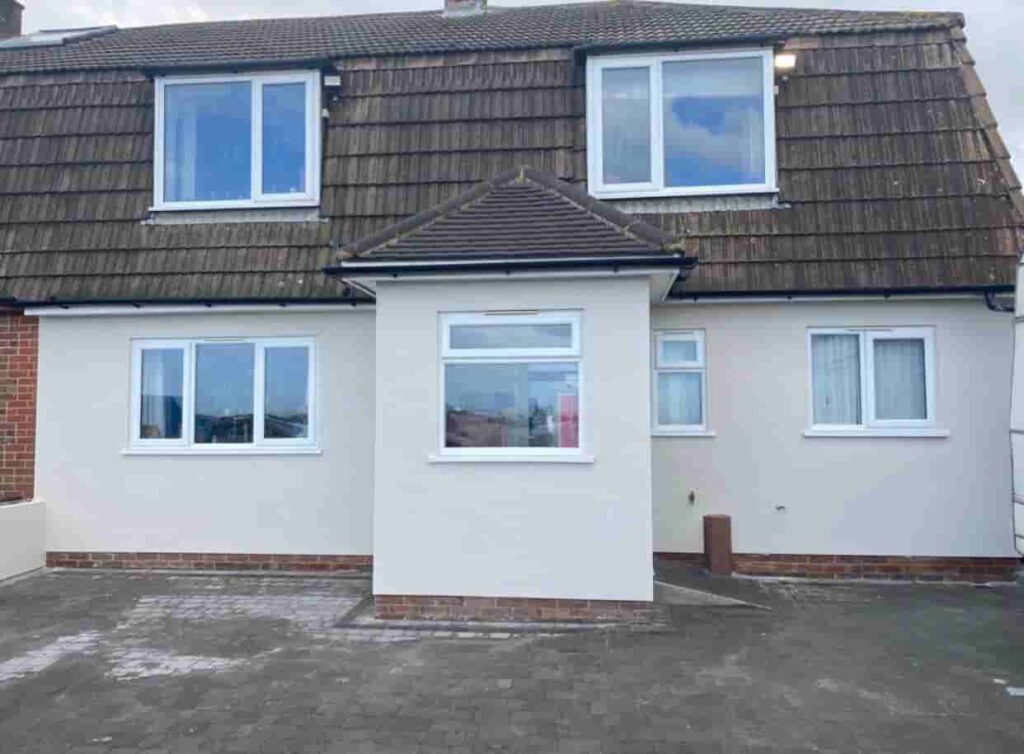
One slipped roof tile may appear to be a minor defect, particularly when there is no visible water entering the property. However, tiles form an overlapping system designed to direct rainwater safely down the roof. When even one tile moves out of position, that protective arrangement is interrupted.
The exposed area may allow rain to reach the underlay, battens and other components beneath the roof covering. A slipped tile can also affect neighbouring tiles or indicate that the fixing system has begun to deteriorate.
For property owners in Ripley, Derbyshire, arranging a professional assessment can help ensure that a small and repairable defect does not develop into more extensive roof damage.
Why One Slipped Roof Tile Should Not Be Ignored
It Creates a Weakness in the Roof Covering
Roof tiles rely on correct alignment and overlap. Each tile helps protect the joints beneath and guides water onto the tile below it. When one slips, part of the roof that should be covered can become exposed.
The gap does not need to be large to cause concern. Wind-driven rain can enter beneath the surrounding tiles, particularly when the defect is located on an exposed section of the roof.
The Underlay Is Not a Permanent Substitute
The roofing underlay may temporarily direct some moisture towards the eaves, but it is intended as secondary protection rather than the main weatherproof layer. Its effectiveness can be reduced by age, tears, poor support or previous water exposure.
If the slipped tile remains unattended, repeated rainfall may place unnecessary pressure on the underlay. Moisture can eventually reach the battens, insulation or roof timbers if this secondary layer is already weakened.
Water May Travel Before Becoming Visible
A roof leak does not always appear directly beneath the defect. Water can run along the underlay, follow a timber or collect within insulation before showing as a damp patch elsewhere.
This means the absence of an immediate ceiling stain does not confirm that the roof remains dry. By the time internal signs appear, moisture may already have affected a wider area than the original opening.
Neighbouring Tiles May Become Vulnerable
A slipped tile can alter the support and alignment of nearby tiles. Its movement may expose their edges to stronger wind forces or allow them to shift into the newly created space.
If the original cause affects several fixings, other tiles may also be less secure than they appear. Checking the surrounding area is therefore an important part of any slipped tile repair.
The Tile May Continue Moving
Once a tile has moved away from its intended position, weather and gravity may cause it to slip further. It could eventually become detached from the roof or break as it moves against surrounding materials.
Refitting or replacing the tile promptly helps restore the roof covering and prevents the defect from becoming more difficult to address.
Why Do Roof Tiles Slip?
A tile can move even when it is not visibly cracked. Common causes include:
- Corroded or failed nails
- Deteriorated wooden pegs
- Damaged or weakened battens
- Strong winds lifting the tile
- Movement within the roof covering
- Poor positioning during earlier work
- Natural deterioration of the fixing
- Pressure from neighbouring damaged tiles
Identifying the cause matters because simply pushing the tile back into place may not provide a reliable repair. The fixing and supporting materials must also be checked.
A Slipped Tile Can Reveal a Wider Problem
One displaced tile may be an isolated incident, but it can also be the first visible sign of broader deterioration. Several fixings may have reached a similar condition, or the batten beneath the tile may have weakened.
A professional roofer will assess whether the defect is localised and examine the surrounding tiles for movement, damage or loss of support. This allows the repair to address the underlying cause rather than only improving the roof’s appearance.
What Does a Proper Repair Involve?
The appropriate repair depends on the tile’s condition and why it slipped. If the tile remains sound and the support beneath it is secure, it may be possible to refix it correctly. A cracked, badly worn or unsuitable tile will normally need replacing with a compatible alternative.
The roofer may also need to:
- Inspect the batten and underlay beneath the opening
- Remove loose fragments or debris
- Check neighbouring tiles and their fixings
- Restore the correct overlap
- Examine the roof space for signs of water entry
This focused approach helps return the affected section to a weather-resistant condition.
Why Ground-Level Checks Have Limitations
A slipped tile can sometimes be seen from the ground, but the condition of its fixing, batten and underlay cannot usually be confirmed from below. The true size of the exposed area may also be difficult to judge.
Avoid attempting to climb onto the roof or refit the tile without suitable access and experience. Roof surfaces can be fragile or slippery, and walking in the wrong place may damage additional tiles.
Prompt Attention Can Keep the Repair Localised
Dealing with a slipped tile early often means the work can remain focused on a small section of the roof. If water continues entering, the affected area may extend to the underlay, battens and internal materials.
Timely inspection provides an opportunity to restore the covering before repeated exposure turns a straightforward defect into a more involved roofing problem.
Why Professional Assessment Adds Value
A lasting repair depends on understanding why the tile moved. Professional assessment considers the tile, its fixing, the supporting batten, the surrounding covering and any evidence of water ingress.
Ripley Roofing Repairs can inspect slipped tiles in Ripley, Derbyshire, identify the cause and carry out an appropriate repair. The aim is to restore the roof properly while checking that the defect has not affected nearby materials.
Conclusion
One slipped tile may be small in comparison with the complete roof, but it can interrupt the protective overlap that keeps water out. It may expose the underlay, affect nearby tiles and allow hidden moisture ingress before any internal damage becomes obvious.
Prompt professional attention can keep the repair localised and restore the roof’s weather protection. If you have noticed a slipped tile on your property in Ripley, Derbyshire, contact Ripley Roofing Repairs to arrange an assessment.
Call us on: 01773 300 896
Click here to find out more about Ripley Roofing Repairs
Click here to complete our contact form and see how we can help with your roofing needs.